Healthcare technologies
Research into healthcare is undertaken in every school in the College of Science and Engineering. Much of the work is interdisciplinary, collaborating with colleagues in academia, industry, the NHS and beyond.
The UN Sustainable Development Goal Good Health and Wellbeing, aims 'to ensure healthy lives and promote well-being for all at all ages'. Our research contributes to achieving this goal both locally and through many international partnerships.
Collaborate with us
Health research and development with impact: our research moves from the lab to benefit patients, through important collaborations.
Our medtech work is already making a difference locally and internationally.
Are you a health company wanting to advance your innovation and skills? Get in touch.
Impact
Radar technologies to enable living at home for longer
Dr Julien Le Kernec and colleagues are working on technologies to help monitor people at home, so that they can live there and manage their condition independently for as long as possible. Using these radar technologies would be much more affordable than motion capture.
Wearable and implantable medical devices
Glasgow Microelectronics (meLAB) is shaping medical and industrial applications through research in three main areas, including wearable and implantable medical devices. In this video, Professor Hadi Heidari explains how meLAB is driving innovation in microelectronics.
Repairing non-healing broken bones
Healikick aims to deliver next generation bone graft materials to repair non-healing broken bones. It is a collaboration between the University of Glasgow, University of Strathclyde, University of Navarra, Histocell, Biogipuzkoa Health Research Institute and the Max Planck Society. It has received funding from the European Union’s Horizon 2020 research and innovation programme under grant agreement No. 874889 (HEALIKICK).
Ultrasurge: Surgery enabled by ultrasonics
An overview of Ultrasurge, a cross-universities project. It focuses on the research and development of miniaturized ultrasonic surgical tools for healthcare applications, aiming to revolutionise surgical procedures with cutting-edge technology.
Knowledge Transfer Partnerships: Cell Guidance
The University of Glasgow worked with Cell Guidance Systems using a Knowledge Transfer Partnership to develop their nanocrystal technology for protein release.
Smart stents and grafts
VascuX is developing innovative “smart” vascular stents and grafts designed to improve patient outcomes and reduce healthcare costs. It is a collaboration between the schools of Engineering and Cardiovascular and Metabolic Health. These devices integrate sensors to detect blockages and deliver targeted therapy, enabling remote monitoring.
Spinout-companies
Our other spin-out companies include:
- Biomage - enabling research scientists to discover new drug targets and answer deep biological questions from sequencing data.
- Chemify - digitizing molecule creation to accelerate discovery of medicines and advanced materials through synthesis-ready design and makeable automated chemistry.
- Clyde Bio - generating human relevant cardiomyocyte functional data to enable faster, safer, and more accurate development of new medicines.
- Current Health - providing the clinical and operational infrastructure that makes advanced therapies and complex care safe, scalable and accessible in ambulatory, home and community settings.
- KEPsoft Collaborative - providing software and services for national and international kidney exchange programmes.
- Lighthearted - revolutionizing point-of-care cardiac detection using photonics and AI.
- Nami Surgical - developing miniaturised ultrasonic surgical scalpels for applications in robotic surgery and beyond.
- Orthovis - providing a 3D interactive platform to accurately plan surgery, saving operating time, reducing cost.
- Pinpoint Medical - pioneering next-generation biosensing and pathogen detection technologies to transform diagnostics, infection control and environmental safety.
- SAW Dx - developing new products in infectious disease diagnostics.
News





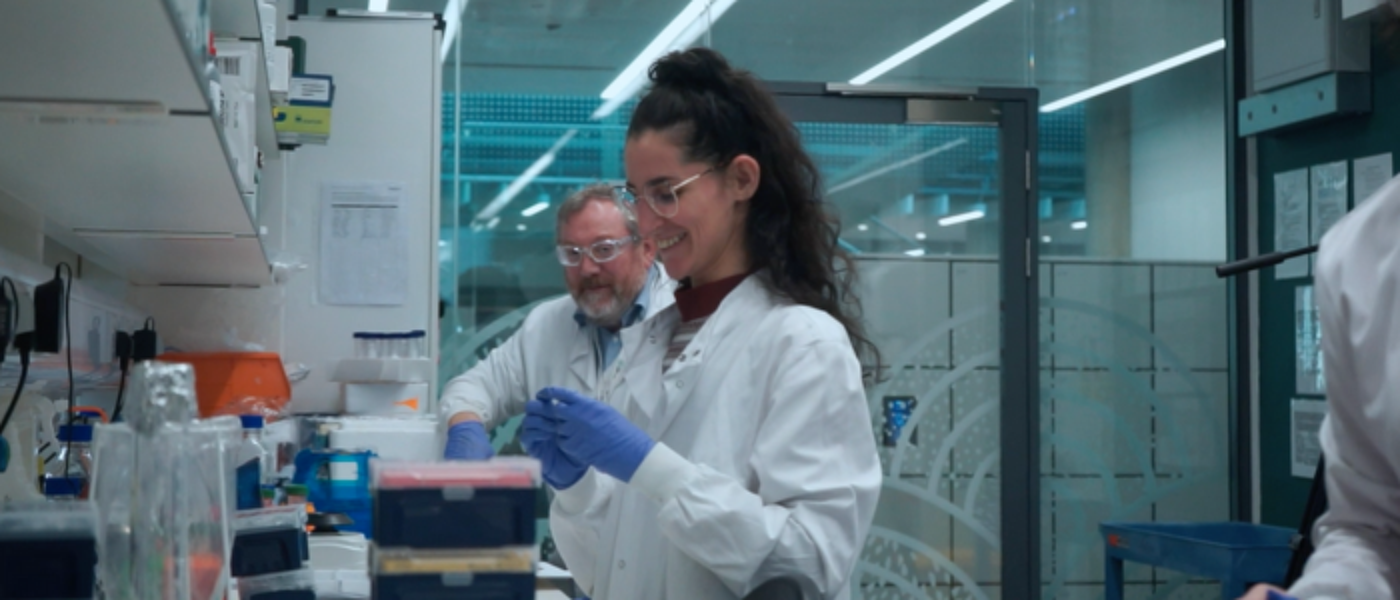

Centres of excellence


Research groups and themes
Study healthcare technologies
Centres for Doctoral Training
- Diversity-Led, Mission-Driven Research
- Engineered Tissues for Discovery, Industry and Medicine
- Applied Quantum Technologies
- Future Ultrasonic Engineering
- Socially Intelligent Artificial Agents
Degree programmes
Teaching
Robotics and AI Undergraduate programme
The James Watt School of Engineering has created a well-equipped Robotics Teaching Laboratory where most of the robotics projects and practical teaching will take place.
MSc Advanced Imaging and Sensing
The MSc in Advanced Imaging and Sensing provides flexible multi-disciplinary training for future researchers, underpinning research across all fields of Physics, Engineering, Environmental Science, Medical and Life Sciences.
Research Zoomposia
From robots to ultrasound technologies for diagnosis and treatments, our staff are engaged in world-changing research dedicated to improve healthcare. Find out more about their work in these short presentations.
Radio frequency sensors for healthcare
Dr Fatemeh Nikbakhtnasrabadai on radio frequency sensors for healthcare and environmental monitoring.
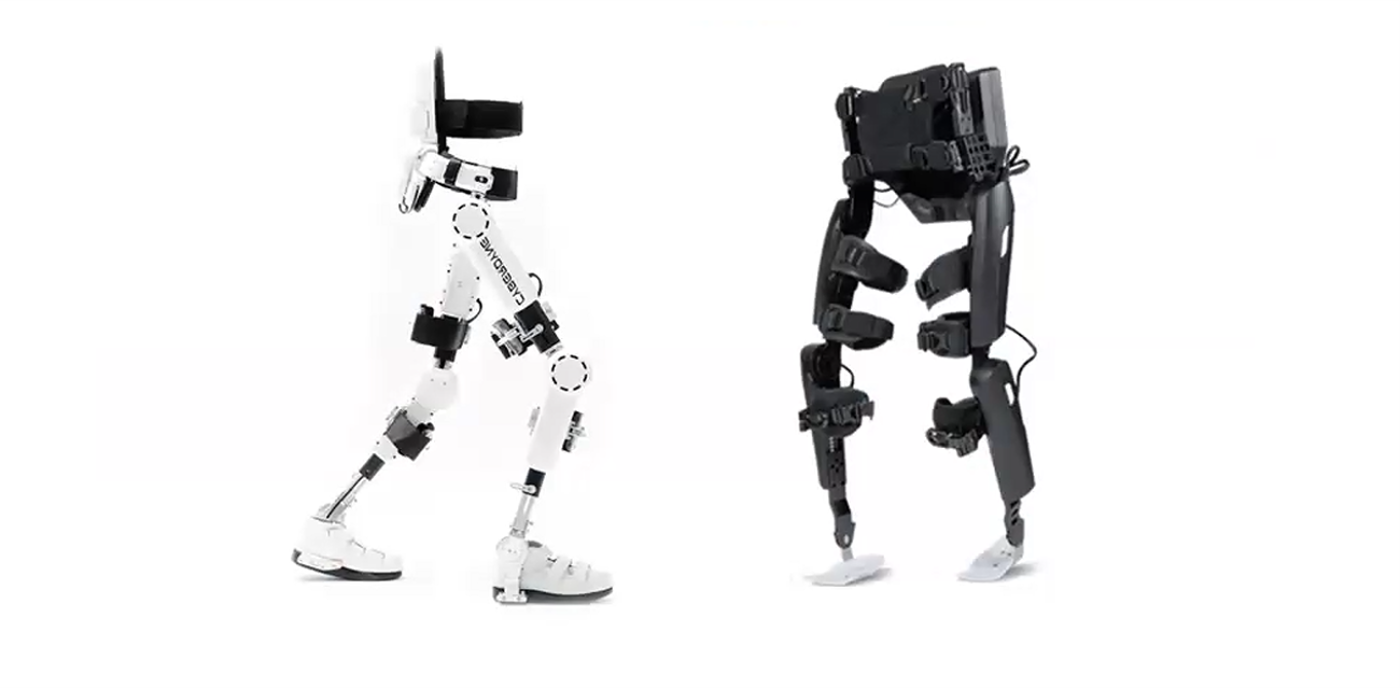
Learning to move limbs with robots
Dr Lucas Ferrari Gerez on learning how to move limbs with soft wearable robots.
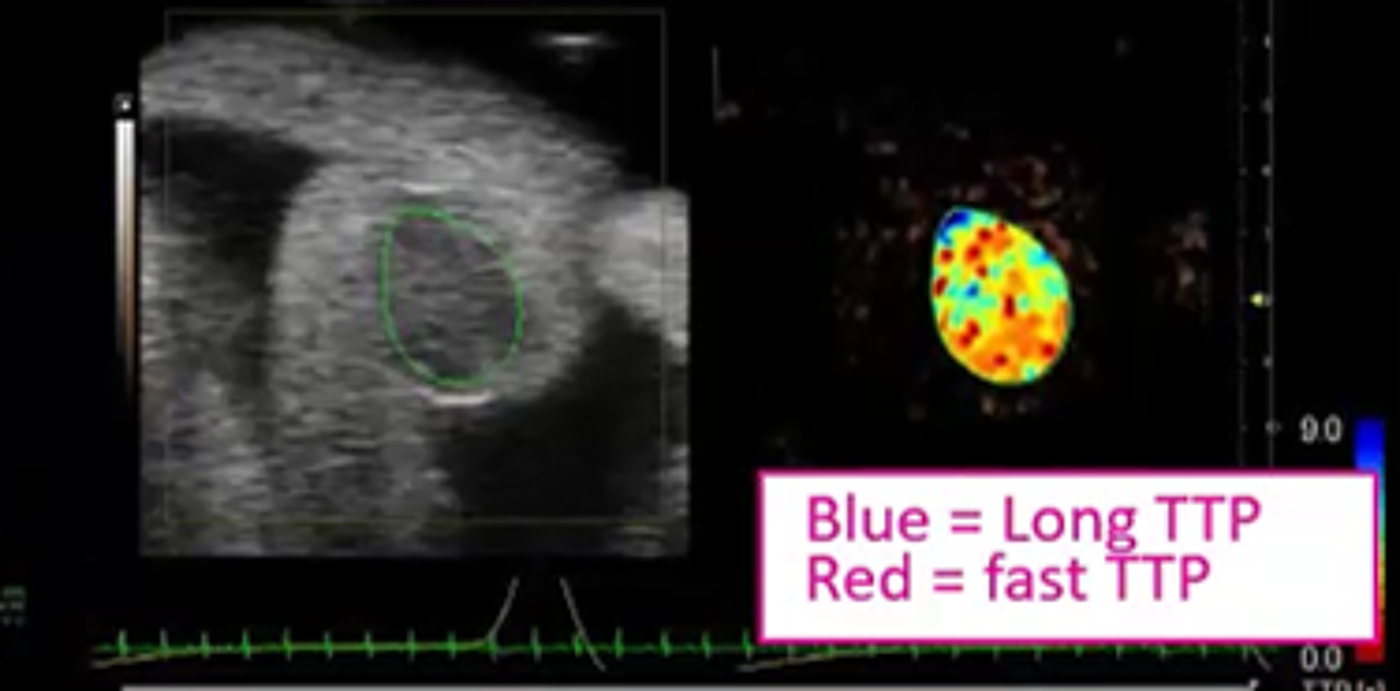
Ultrasound tech for disease diagnosis and treatments
Dr Helen Mulvana on development of novel ultrasound technologies towards earlier disease diagnosis and non-invasive treatments.

Health inequalities research
Professor Jon Cooper on health inequalities research across the College of Science and Engineering.
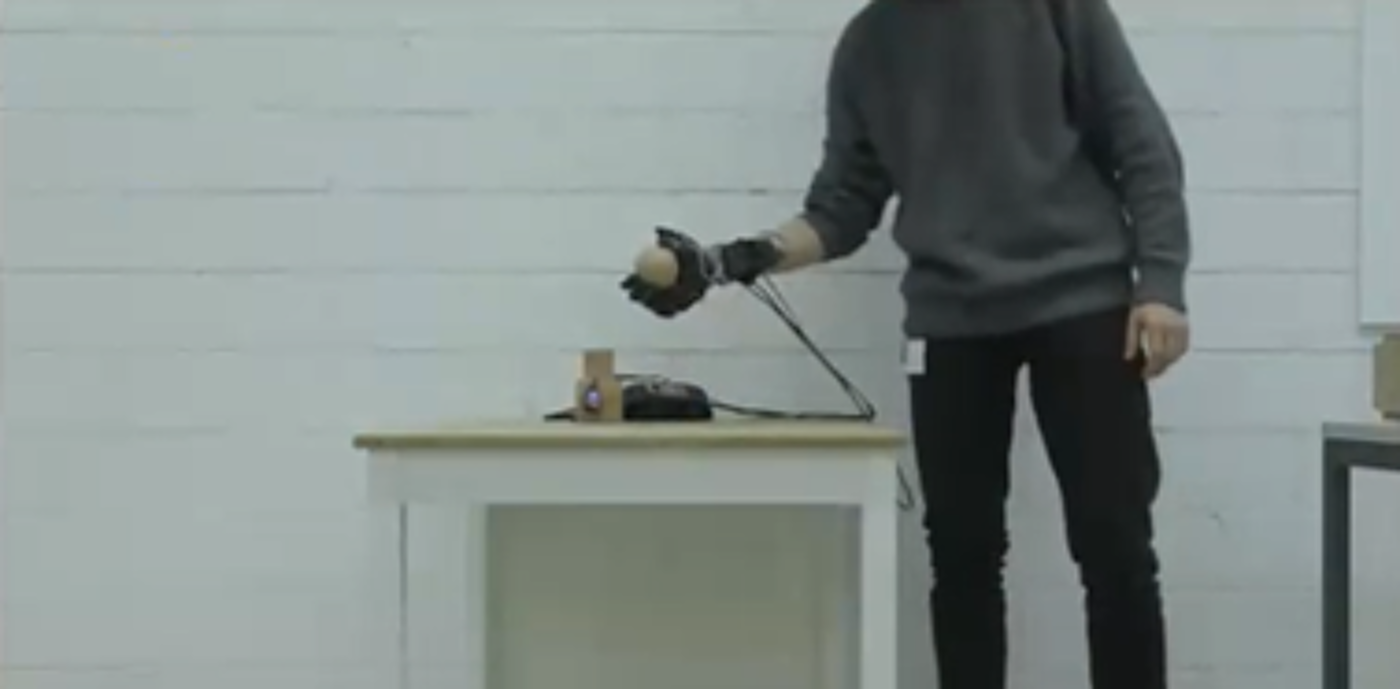
Restoring the sensorimotor system; Unexplained chronic fatigue syndromes
Dr Haotian Chen on stretchable electronics in restoring human sensorimotor system; Dr Jiabao Xu on single-cell toolkits for diagnosis and investigation of unexplained chronic fatigue syndromes.